10 Must-Try DIY Dry Creek Bed Ideas for Beautiful, Effective Yard Drainage
Dry creek beds are more than just decorative elements—they’re functional features that help manage rainwater runoff and prevent erosion. Whether your yard suffers from standing water or you just want to enhance its natural beauty, a DIY dry creek bed offers a stylish, budget-friendly solution.
Here are 10 creative and effective dry creek bed ideas you can try at home—each one blending charm and purpose to elevate your landscape.
Dry creek beds aren’t just pretty—they solve real drainage problems.
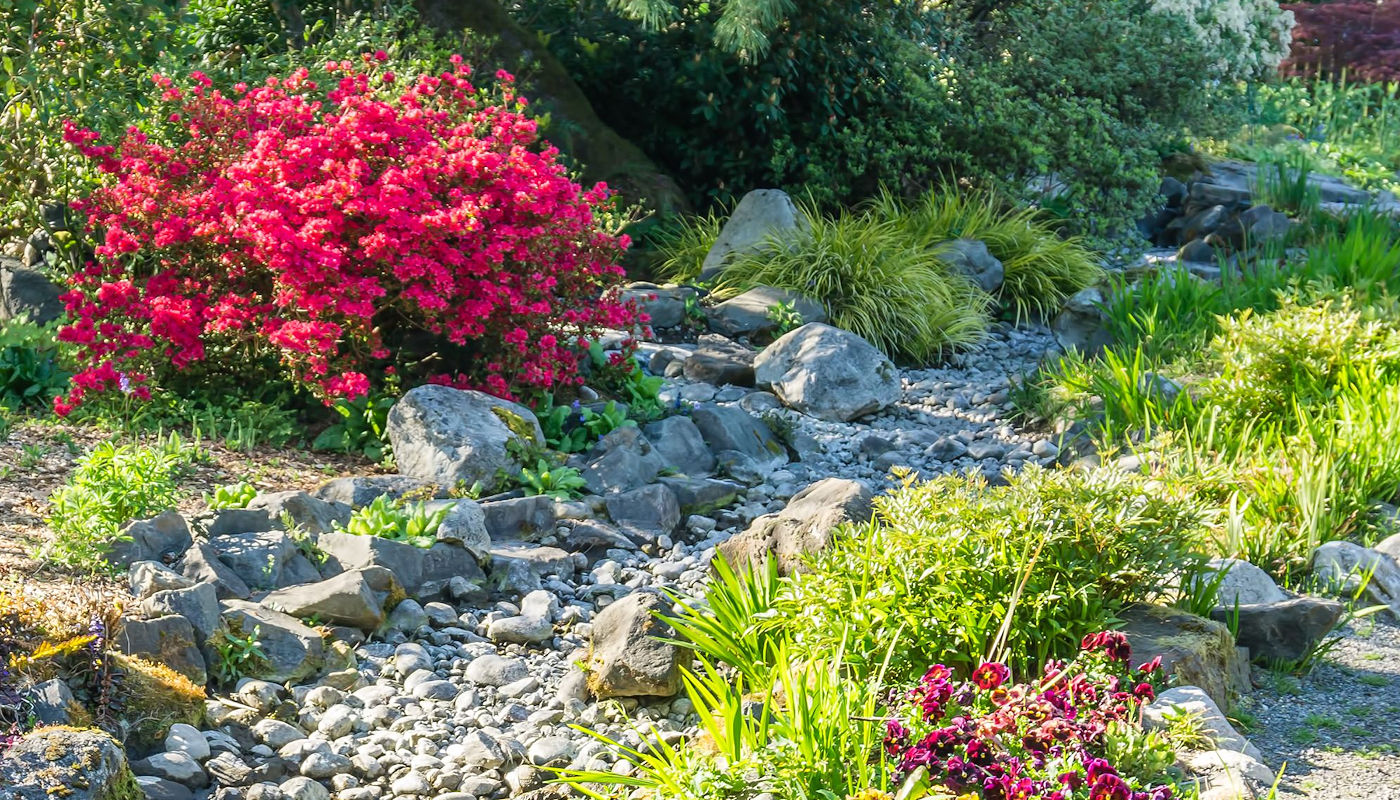
If your yard struggles with pooling water, soggy patches, or minor erosion, a dry creek bed might be the perfect fix. These landscape features mimic the look of a natural stream, guiding excess rainwater away from your home and garden while adding rustic charm to your outdoor space.
But the best part? You don’t need to be a pro landscaper or spend a fortune to create one. With some rocks, gravel, a shovel, and a little creative planning, you can turn a problem area into a beautiful, low-maintenance focal point.
Whether you want something subtle and natural or bold and artistic, here are 10 must-try DIY dry creek bed ideas that combine function and aesthetics to transform your yard—all on a budget.
1. Classic Curved River Rock Bed
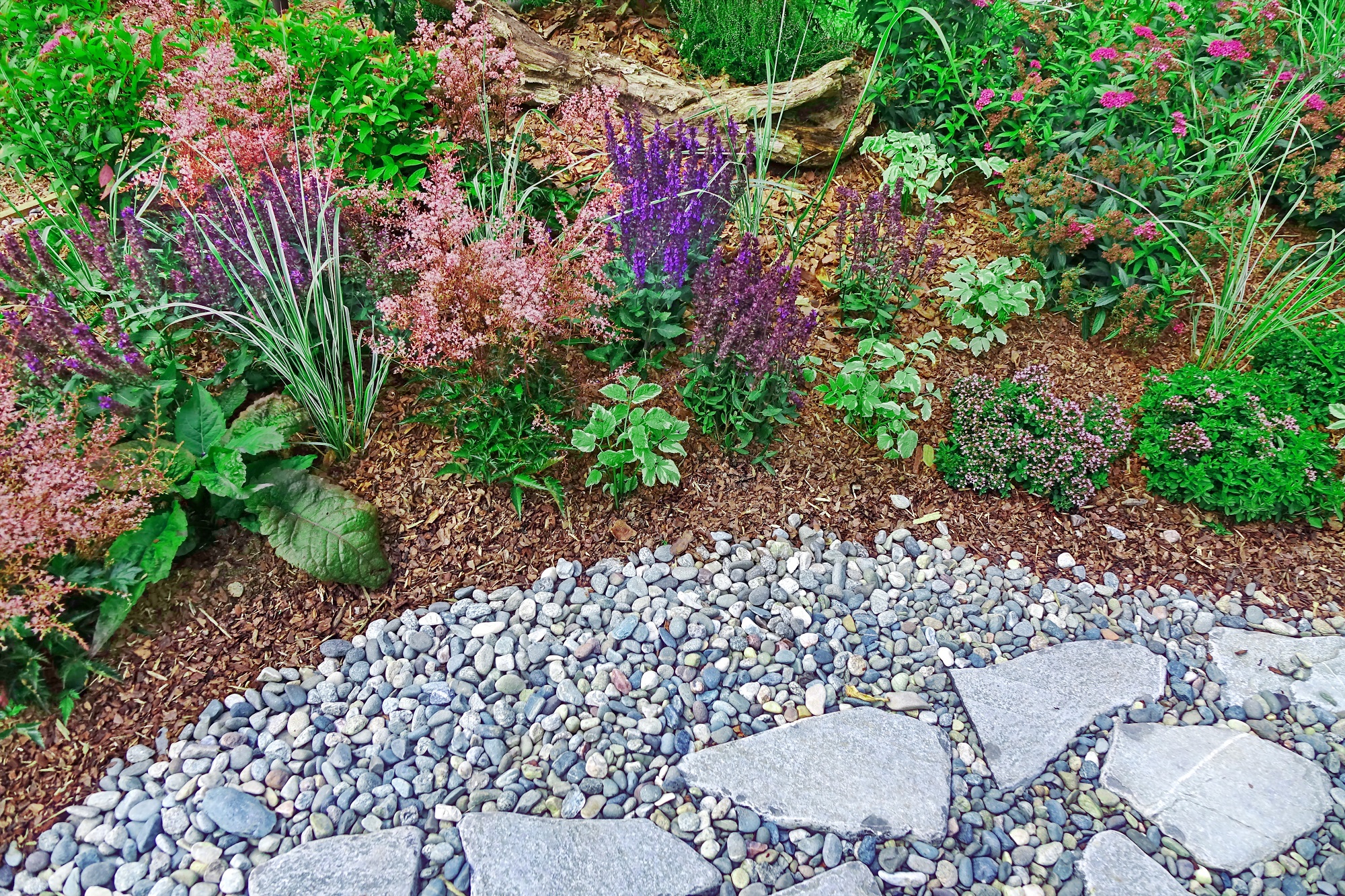
Nothing beats the timeless, natural look of a gently winding dry creek bed made with river rocks of various sizes. This approach is not only visually calming but also highly functional—mimicking the path of a real stream and guiding water away from your home or garden beds.
Why it works:
- Smooth river rocks allow rainwater to flow easily, reducing pooling and soil erosion.
- The curved, meandering design softens the lines of your yard, adding an organic, relaxed vibe.
- It works in both front and backyards, whether you’re dressing up a sloped lawn or framing a flower bed.
To elevate the design, tuck in a few larger boulders along the edges to create the illusion of a natural bank. Surround the bed with drought-tolerant plants or ornamental grasses to blend it seamlessly into the landscape. It’s simple, affordable, and instantly boosts your yard’s beauty and functionality.
2. Zen-Inspired Minimalist Channel
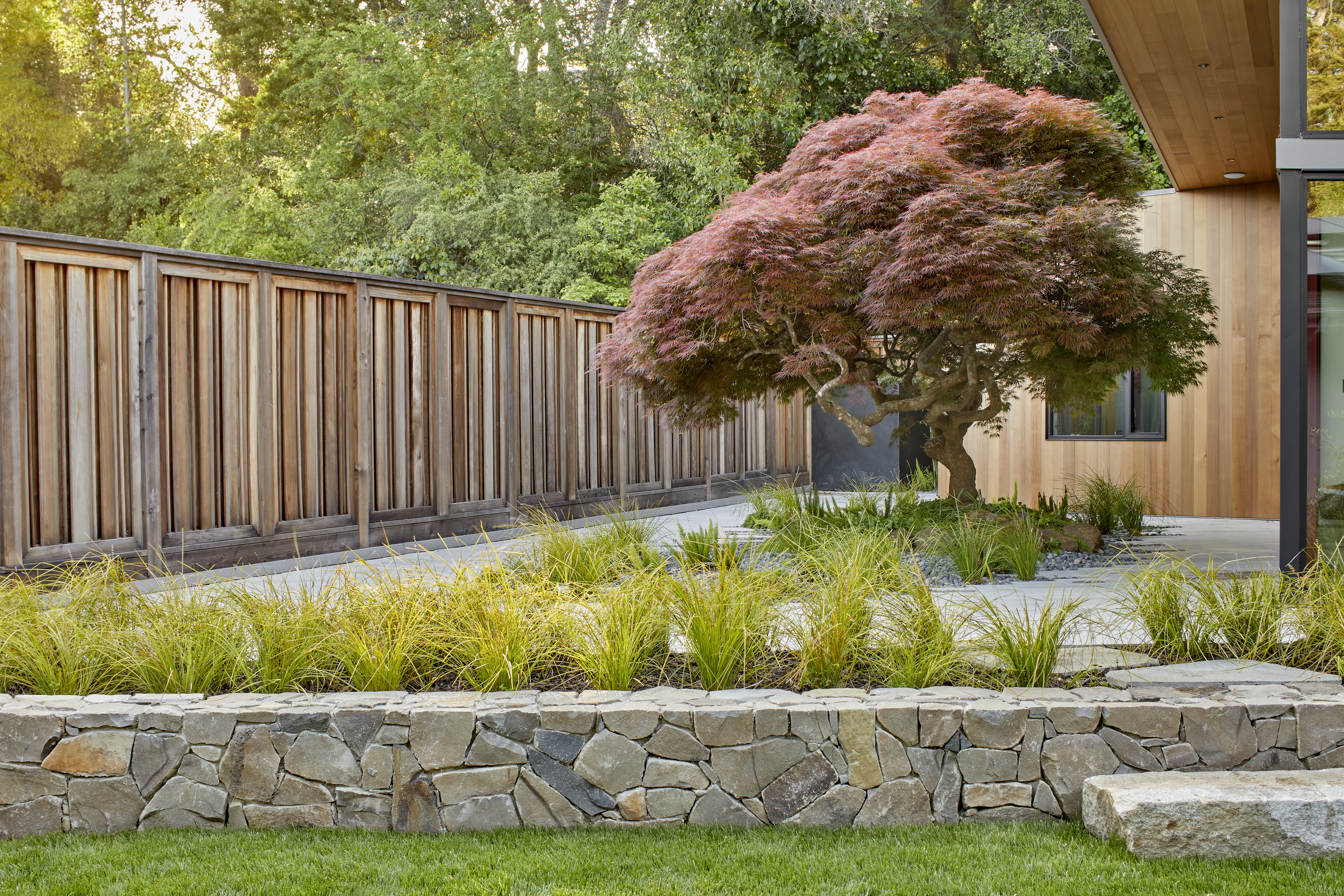
If you’re drawn to clean lines, simplicity, and a sense of calm, a Japanese-style dry creek bed could be the perfect fit for your yard. This design uses light-colored gravel, smooth edging, and minimal accents to evoke the tranquil atmosphere of a traditional Zen garden—while still serving a functional purpose for drainage.
Perfect for:
- Small gardens or courtyards where space is limited but aesthetics matter
- Modern or minimalist homes that benefit from subtle, structured landscaping
- Low-maintenance outdoor spaces that promote peace and order
To get the look, use fine white or beige gravel to fill the creek bed, and shape it into gentle curves or flowing lines. Border it with sleek stone edging or bamboo-style dividers to define the space. Add a few carefully chosen rocks, spaced deliberately to mimic nature, and finish the scene with low-profile greenery like mondo grass, ferns, moss, or dwarf ornamental grasses.
For added authenticity, consider raking the gravel occasionally to create subtle wave patterns—just like in traditional Japanese dry gardens. This elegant creek bed is easy to maintain and brings a peaceful, meditative quality to any landscape.
3. Rainwater Runoff Redirector

Have a low spot in your yard that collects water after every rain? Turn that soggy problem into a stunning solution by building a functional dry stream. This type of creek bed doesn’t just look great—it actively channels water away from your home’s foundation, driveway, or patio and directs it toward a more absorbent area like a rain garden or swale.
Tips to make it work:
- Begin the stream at a trouble spot, such as the base of a downspout, driveway edge, or natural dip
- Dig a shallow trench, gently sloped to guide the water’s path
- Lay down landscape fabric to prevent weeds and soil erosion beneath the rocks
- Use larger stones at the start of the stream to manage fast-moving water during storms
- Taper with smaller river rocks or gravel as the stream progresses to create a natural look
You can enhance the appearance by adding water-loving plants along the edges—think native grasses, sedges, or ferns that thrive in damp conditions. This not only boosts curb appeal but also helps absorb excess water, reducing runoff.
A dry stream is drainage disguised as design—a smart, eco-friendly way to manage rainwater while upgrading the aesthetics of your yard.
4. Creek Bed with Wooden Footbridge
Want to instantly elevate your dry creek bed from functional to fantastic? Add a rustic or decorative footbridge right over it. This simple feature can transform your creek into a true focal point—especially if it crosses a walkway or connects two distinct parts of your garden.
Why it works:
- Creates a sense of journey and structure in your yard
- Adds vertical interest, drawing the eye and making the space feel more layered
- Blends beautifully with both cottage-style and modern landscapes
What you’ll need:
- Reclaimed wood, pressure-treated planks, or even a small metal or arched garden bridge
- Simple supports like stacked stone bases or stepping stones on either side
- A gentle slope underneath the bridge to keep water flowing freely and prevent pooling
For an extra touch of whimsy, consider stringing solar fairy lights along the bridge’s railing or planting fragrant herbs or flowers nearby. Even when dry, this element gives your yard the feeling of a meandering, living landscape—inviting guests to stop, look, and linger.
5. Cottage-Style Creek with Wildflowers
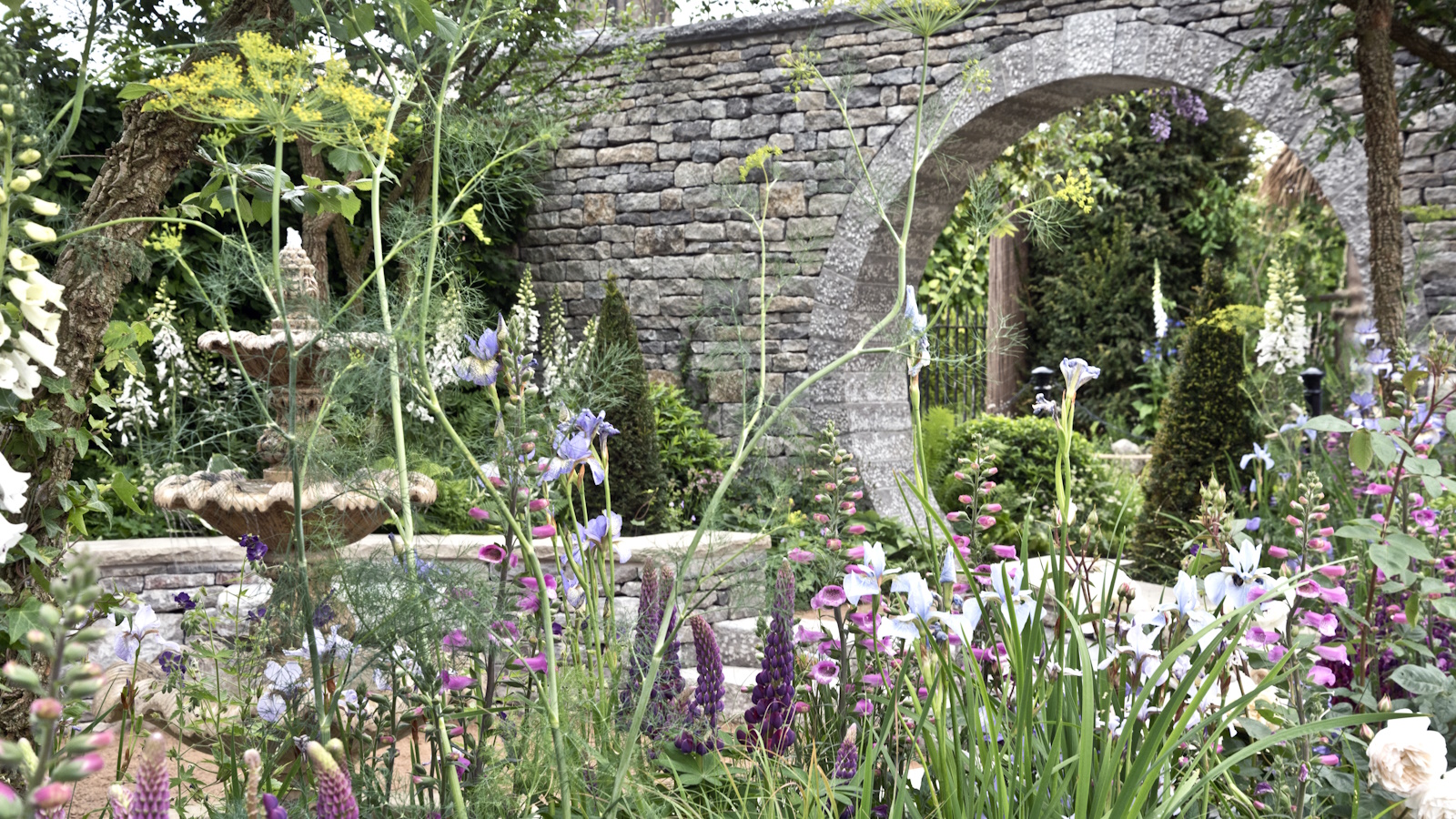
If you’re aiming for a more whimsical, romantic, or cottage-inspired yard, try lining your dry creek bed with wildflowers or cottage-style perennials. This softens the rocky channel and makes the entire feature feel like it’s part of a lush, living landscape—even when there’s no water flowing.
Why this works beautifully:
- Adds a burst of seasonal color that changes throughout the year
- Attracts butterflies, bees, and other pollinators to your garden
- Softens the hardscape edges with natural, flowing texture
- Keeps visual interest high, even when the bed is completely dry
Best plants to try:
- Black-eyed Susans for golden, cheerful blooms
- Lavender for scent and structure
- Salvia or Russian sage for long-lasting color
- Coreopsis, echinacea, or yarrow for drought-tolerant options
Plant in clumps or loose drifts on both sides of the creek to create a naturalized look. You can even let some self-seed over time to increase the wild, freeform feel.
This design is perfect for informal gardens, country-style homes, or anyone looking to blend charm with utility. It’s proof that a drainage solution doesn’t have to be dull—it can bloom.
6. Rock Garden Hybrid Creek
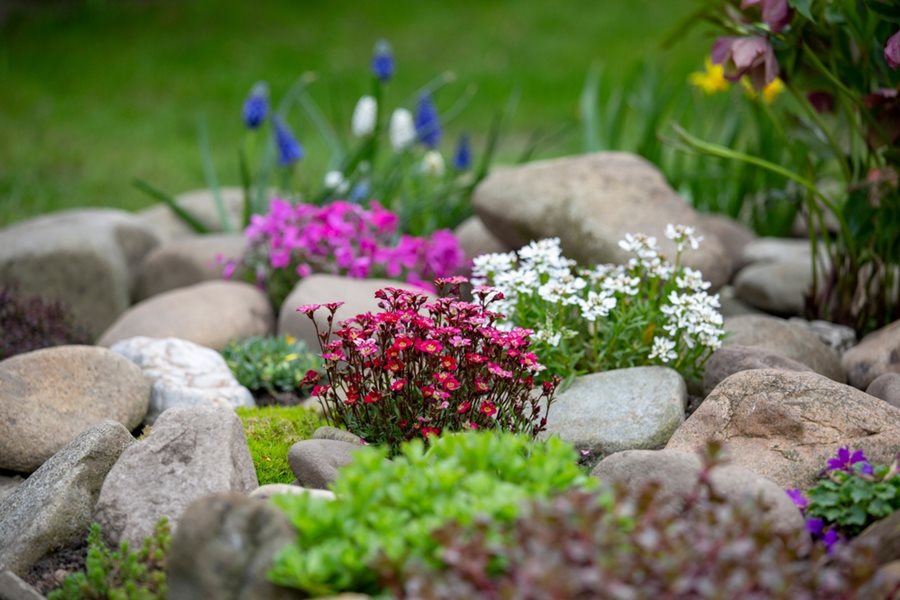
Want to take your dry creek bed up a notch in both style and function? Blend it into a rock garden for a dramatic, sculptural landscape that thrives with minimal water and maintenance. This approach works especially well in sloped, arid, or xeriscape yards.
How to create this look:
- Use a mix of stone types and sizes—smooth river rocks for the creek itself, paired with larger boulders, crushed granite, or gravel in surrounding areas
- Design with contrast in mind: Mix dark stones with pale succulents, or golden gravel with silvery-leaved plants
- Incorporate elevation changes using berms, terraces, or mounded soil for added visual interest
Best plant choices include:
- Succulents like hens-and-chicks, agave, or sedum
- Ornamental grasses such as blue fescue, purple fountain grass, or carex
- Drought-tolerant perennials like yarrow, echinacea, or gaillardia
Why it works:
- Perfect for low-maintenance, water-wise landscaping
- Offers year-round interest—even when nothing’s blooming
- Combines the functional benefits of drainage with the artistic flair of sculpture
- Creates a bold, modern contrast between hard and soft elements
Whether you’re going for a desert-inspired aesthetic or a minimalist modern vibe, this design adds depth, movement, and structure to your landscape—and you’ll rarely have to water it.
7. Decorative Dry Creek with Solar Lights

Don’t let your dry creek bed disappear after sunset. Add solar lighting along its edges to turn your functional drainage feature into a glowing focal point at night. With the right lighting, what was once just a daytime detail becomes a magical highlight of your evening landscape.
How to do it right:
- Choose warm white solar lights for a natural, welcoming ambiance (avoid harsh blue tones)
- Line the path evenly along curves to emphasize the natural flow and shape of the bed
- Mix in decorative elements like lantern-style stakes, uplights aimed at boulders, or even fairy lights woven through nearby plants
- Highlight key features like rustic bridges, clusters of plants, or sculptural rocks to create visual interest
Why it works:
- Increases safety by illuminating walkways or garden paths
- Adds depth and texture to your yard after dark
- Creates mood lighting that’s perfect for relaxing on the porch or hosting evening gatherings
- Low-maintenance and affordable—solar options are easy to install and don’t require wiring
Whether you’re after a soft glow or dramatic shadows, this simple addition transforms your dry creek bed from purely practical to beautifully atmospheric. It becomes a piece of landscape art you can enjoy day and night.
8. Mulch & Pebble Mix Creek
If you love the idea of a dry creek bed but want to keep costs down—or prefer a softer, more blended appearance—try combining rock with mulch or wood chips. Instead of filling the entire bed with river rock (which can get pricey), focus stone only where it counts—in the center channel where water flows—and use mulch to fill the outer zones.
This layered approach adds texture, warmth, and contrast, giving your yard a more organic and inviting feel.
Here’s how to do it:
- Dig the trench as usual, shaping a shallow basin with gentle curves
- Line the middle “stream” channel with pebbles or small river rocks to guide water and prevent erosion
- Fill the outer edges with bark mulch, wood chips, or shredded leaves
- Add low-maintenance plants like creeping thyme, sedum, or liriope to soften the borders and help absorb runoff
Why this hybrid method works:
- Way more affordable than using stone alone
- Blends beautifully into existing gardens or woodland-style landscapes
- Mulch helps hold soil in place on sloped areas or banks
- Plant roots thrive in the mulch layer, boosting drainage and biodiversity
This design is especially great for naturalized or cottage-style yards, where you want the creek to look like it belongs to the landscape—not just sit on top of it. And since mulch decomposes over time, it naturally feeds the soil and encourages healthier plant growth.
Tip: Refresh the mulch once or twice a year to keep the area tidy and prevent weeds.
By combining materials, you get the best of both worlds—effective water management and earthy curb appeal, all without breaking the bank.
9. Flagstone Crossing Creek

A dry creek bed can do more than manage runoff—it can become part of your daily path through the garden. If your creek crosses a walkway or separates different areas of your yard, break it up with large flat stepping stones or pavers to make crossing easy and elegant.
Not only does this boost accessibility, but it also turns your creek into a visually engaging focal point that feels intentional and inviting.
Where stepping stones work best:
- Across pathways where people need to walk
- Between garden zones like patios, veggie beds, or flower areas
- In modern or rustic yards, where you want form to meet function
Design tips to get the look:
- Use irregular flagstone or repurposed slate for a natural, rustic feel
- Choose cut concrete pavers or geometric stone for a modern aesthetic
- Sink stones slightly into the creek bed for stability and flow
- Space them comfortably for walking, usually about one stride apart
Want to go a step further? Plant moss or creeping groundcovers between and around the stones to soften the hard edges and make the path blend into the landscape.
Why it’s a smart choice:
- Creates a usable walkway over the creek
- Prevents trampling on plants or displacing rocks
- Adds structure and heightens visual interest
- Great for all garden styles—from zen to woodland
With the right placement and materials, stepping stones don’t just solve a practical need—they enhance the entire flow of your landscape, guiding the eye (and your feet) through your outdoor space.
10. Sloped Yard Drainage with Terracing
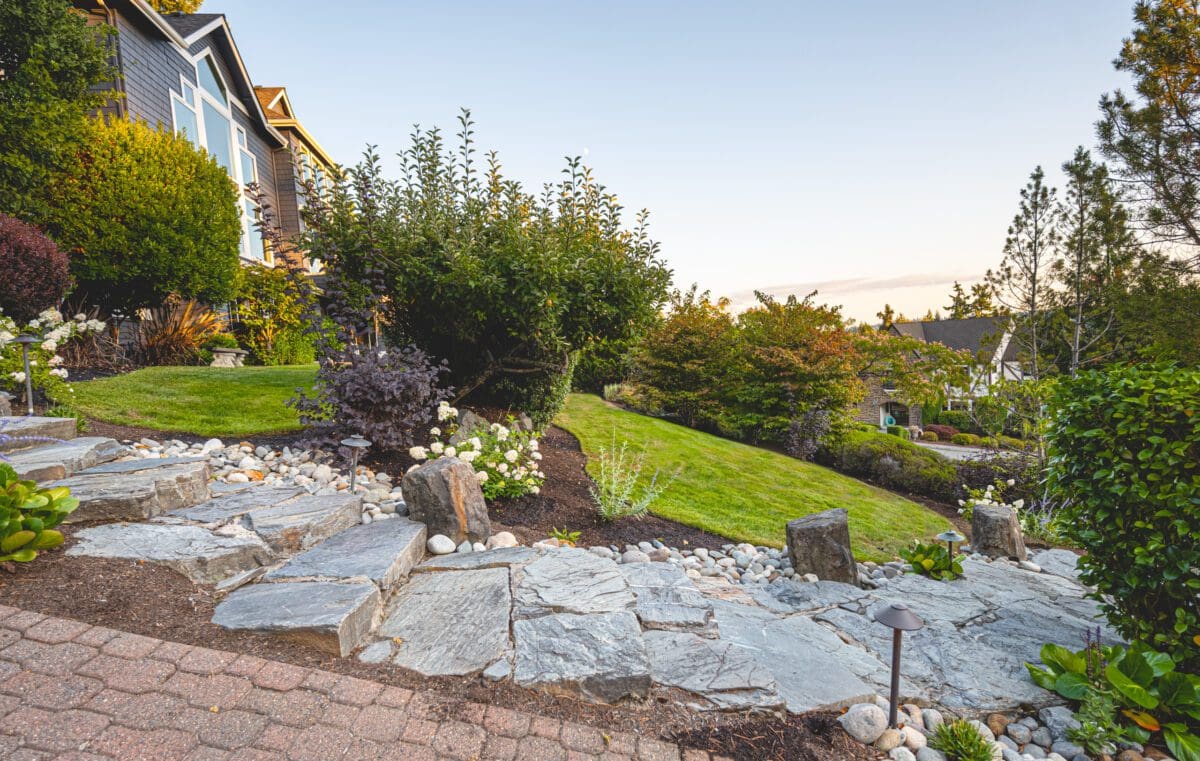
If your yard sits on a slope, water can rush down quickly—causing erosion, puddles, and loss of topsoil. That’s where a terraced dry creek bed comes in. This design not only slows water runoff and controls drainage, but it also creates a stunning multi-level feature that adds depth and personality to your landscape.
What is it?
A terraced dry creek bed uses retaining edges—like stacked stone, timber, or concrete blocks—to divide the slope into manageable levels. Water travels gently down from one tier to the next, preventing it from carving gullies or flooding low spots.
Why this works so well:
- Controls erosion by breaking up water flow into smaller sections
- Lets you plant between terraces with native grasses or shrubs
- Adds visual structure and makes a plain slope more dynamic
- Blends drainage with design—functional and beautiful
How to build it:
- Start at the top of the slope and dig shallow tiers into the grade.
- Install retaining borders—natural stone for a rustic look or timber for a softer touch.
- Line each tier with landscape fabric and river rock or gravel to guide water down.
- Plant ground covers, ferns, or small perennials in the flat spaces between levels.
Pro Tip: Add check dams or small boulder clusters in key places to slow water and add texture.
Perfect for:
- Hillsides or steep yards with drainage issues
- Creating mini rain gardens between tiers
- Making the most of a previously unused sloped area
With a little effort and smart design, your slope can go from a maintenance nightmare to a beautiful, multi-layered centerpiece that solves problems and adds real curb appeal.
Tips for Building a DIY Dry Creek Bed
:strip_icc()/How-To-Create-a-Dry-Creek-101273403-c315d1c019b94898af5c35772bd1f140.jpg)
Before you start hauling rocks or digging into your yard, it’s important to plan and prep your dry creek bed properly. While these features look natural and effortless, a bit of forethought goes a long way in making sure they actually function as intended—diverting water, preventing erosion, and elevating your landscaping.
Follow these key steps before you begin:
- Plan the water flow path:
Watch where rainwater naturally collects or runs during a storm. Your creek bed should follow this route or guide runoff away from trouble spots like your foundation or walkways. - Dig a shallow trench:
Your trench doesn’t need to be deep—6 to 12 inches is usually enough. Make sure it slopes gently (about 1–2% grade) to encourage water movement in the right direction. - Line it with landscape fabric:
Add a permeable landscape fabric along the trench to prevent weeds and keep soil from mixing with your decorative gravel. Secure it with pins to hold it in place. - 🪨 Layer with gravel and river rock:
Start with coarse gravel as a base for good drainage. Then top with smooth river rocks, pebbles, or decorative stones—larger rocks go in the center, smaller ones toward the edges. - Blend it with the landscape:
Use mulch, ground cover plants, or ornamental grasses along the creek’s edges. This helps integrate the feature into your yard and softens the look. - Test your flow:
Run a garden hose at the upper end of your creek bed to simulate rainfall. Watch how the water flows and make any adjustments as needed—especially around curves or low spots.
Extra Tip: Add a few larger boulders, driftwood, or even a small footbridge for extra visual impact and natural charm.
Here’s a clean, easy-to-read comparison table summarizing the 10 Must-Try DIY Dry Creek Bed Ideas for beautiful, effective yard drainage. This visual format helps readers quickly understand each idea’s key features and benefits:
Comparison Table: 10 DIY Dry Creek Bed Ideas
Would you like this turned into a styled HTML table or embedded into the full blog/article layout next?
Here’s a small, simplified comparison table summarizing the 10 DIY Dry Creek Bed Ideas in a compact format:
Quick Table: 10 DIY Dry Creek Bed Ideas
| Idea | Best For | Highlight |
|---|---|---|
| 1. Classic Curve | All yard sizes | Natural flow, river rock |
| 2. Zen Minimalist | Small, modern gardens | Light gravel, clean lines |
| 3. Runoff Redirector | Gutter/downspout areas | Functional drainage path |
| 4. Footbridge Feature | Wide beds, paths | Adds charm, reclaimed wood |
| 5. Cottage Creek | Wild, romantic gardens | Flowers, pollinator-friendly |
| 6. Rock Garden Blend | Slopes, dry climates | Succulents, texture-rich rocks |
| 7. Solar-Lit Stream | Night appeal | Path lighting, soft glow |
| 8. Mulch & Pebble Mix | Budget builds | Soft edges, natural blend |
| 9. Flagstone Crossing | Garden walkways | Stepping stones, dual-purpose |
| 10. Terraced Drainage | Steep yards | Slows water, erosion control |
Let me know if you’d like this styled further (like color-coded rows or icon columns).
FAQ: DIY Dry Creek Beds
Do dry creek beds actually help with drainage?
Yes! They guide rainwater away from problem areas, help reduce erosion, and allow water to soak into the ground slowly.
How deep should a dry creek bed be?
Generally, 6 to 12 inches is enough for most residential yards. For heavy runoff, go deeper and wider.
Can I build one without heavy equipment?
Absolutely. Most dry creek beds can be dug by hand using a shovel, especially in smaller yards.
Do I need landscape fabric?
It’s highly recommended to prevent weeds from growing through the rocks and to maintain clean water flow.
Conclusion: Blend Beauty with Function
A well-designed dry creek bed is more than a solution—it’s a standout feature that transforms how your yard looks and performs. Whether you want to tackle poor drainage or simply elevate your outdoor style, these DIY dry creek bed ideas offer affordable, creative, and beautiful ways to do it.
Pick the idea that fits your space and taste, grab your tools, and get started—you’ll be amazed at how much impact a few rocks and plants can make.
Would you like this version optimized for SEO or turned into a printable checklist or Pinterest graphic as well?
Leave a Reply