Table of Contents
- Introduction
- Understanding Compact Room Design
- Smart Furniture Choices
- Clever Storage Solutions
- Lighting Techniques for Small Rooms
- Color Schemes to Enhance Space
- Decorative Elements That Work
- Real-Life Examples
- Conclusion
Introduction
Living in a compact room doesn’t mean sacrificing comfort or style. With thoughtful planning and design, even the smallest spaces can become cozy, functional, and visually appealing. This guide explores practical ideas and tips to help you make the most of your compact room.
Understanding Compact Room Design
Compact rooms are typically small spaces that require efficient use of every inch. The goal is to create a harmonious environment that feels open and inviting, despite the limited square footage. Key principles include:
- Functionality: Every piece of furniture and decor should serve a purpose.
- Space Optimization: Utilize vertical space and multifunctional furniture.
- Aesthetic Appeal: Choose designs and colors that make the room feel larger and more cohesive.
Smart Furniture Choices
Selecting the right furniture is crucial in compact rooms. Consider the following:
- Multi-Functional Pieces: Opt for furniture that serves more than one purpose, such as a sofa bed or a coffee table with storage.
- Scaled Appropriately: Choose furniture that fits the scale of the room; oversized pieces can make the space feel cramped.
- Legged Furniture: Furniture with visible legs creates a sense of openness by allowing light to flow underneath.
Clever Storage Solutions
Storage can be a challenge in small rooms. Here are some solutions:
- Vertical Storage: Use wall-mounted shelves and hooks to free up floor space.
- Under-Bed Storage: Utilize the space under the bed for storage bins or drawers.
- Built-In Units: Consider custom-built storage solutions that maximize every corner.
Lighting Techniques for Small Rooms
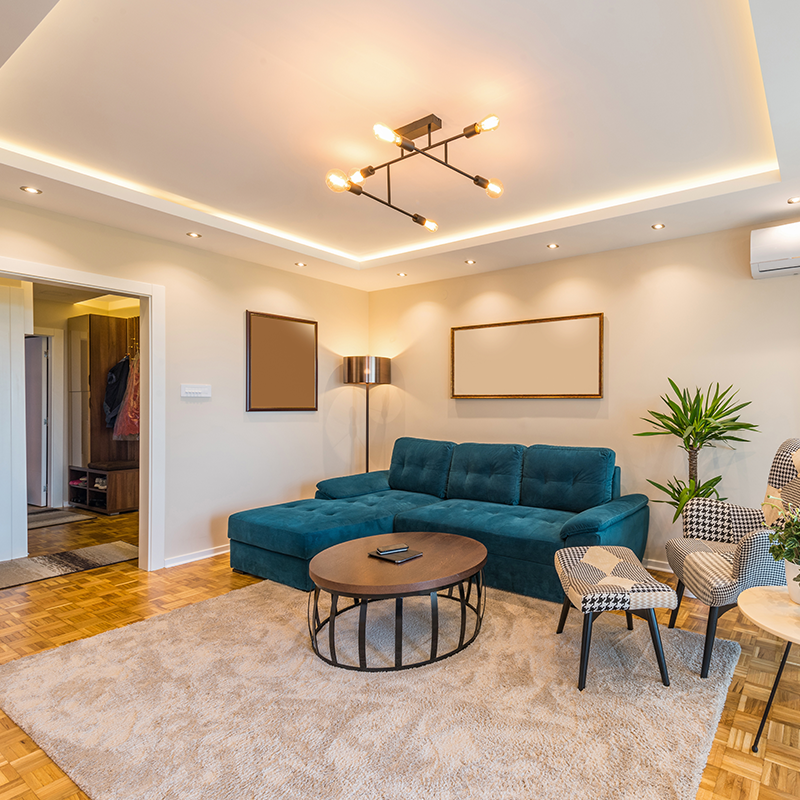
Proper lighting can make a compact room feel more spacious:
- Layered Lighting: Combine ambient, task, and accent lighting to create depth.
- Mirrors: Strategically place mirrors to reflect light and give the illusion of a larger space.
- Light Fixtures: Choose light fixtures that add character without overwhelming the room.
Color Schemes to Enhance Space
Colors play a significant role in how a room feels:
- Light Colors: Soft hues like whites, pastels, and light grays can make a room feel airy and open.
- Accent Walls: A bold accent wall can add depth and interest without overwhelming the space.
- Consistent Palette: Using a consistent color palette throughout the room creates a cohesive look.
Decorative Elements That Work
Decorative elements can add personality to a compact room:
- Wall Art: Choose artwork that complements the room’s color scheme and style.
- Textiles: Use rugs, cushions, and throws to add warmth and texture.
- Plants: Incorporate indoor plants to bring life and freshness to the space.
Real Life Examples
- Urban Studio Apartment: An example of a small studio apartment effectively using multifunctional furniture and vertical storage to maximize space.
- Tiny Bedroom Makeover: A transformation of a small bedroom using light colors, clever storage solutions, and layered lighting to create a cozy retreat.
Table of Contents
Conclusion
Introduction
Understanding Compact Room Design
Smart Furniture Choices
Clever Storage Solutions
Lighting Techniques for Small Rooms
Color Schemes to Enhance Space
Decorative Elements That Work
Real-Life Examples
Conclusion
Designing a compact room is all about making smart choices that enhance functionality without compromising on style. By selecting the right furniture, utilizing clever storage solutions, and paying attention to lighting and color, you can transform any small space into a comfortable and inviting environment.
Leave a Reply