How to Go Green: Sustainable Porch Ideas for a Modern and Eco-Friendly Look
If your porch is due for a makeover, why not make it both beautiful and better for the planet? Creating a sustainable porch doesn’t mean compromising on style—it means embracing smart materials, natural elements, and energy-efficient upgrades that turn your outdoor space into a modern, earth-friendly sanctuary.
Whether you’re working with a small front stoop, a wraparound veranda, or a covered back deck, there are countless ways to go green—literally and figuratively. From eco-conscious building materials to solar lighting and native plants, here’s how to design a porch that’s as kind to the environment as it is to your personal style.
If you’re aiming for a porch that’s sustainable yet stylish, the key lies in thoughtful choices that prioritize both design and the environment. Start by selecting reclaimed or sustainably sourced wood for flooring, railing, and furniture—it instantly adds charm while reducing your carbon footprint. Composite decking made from recycled plastics and wood fibers is another long-lasting, low-maintenance option. Consider using low-VOC (volatile organic compounds) paints and stains to ensure better air quality and safer surroundings, especially if you have kids or pets.

Next, swap out energy-draining lighting for solar-powered fixtures or LED bulbs. Not only do these reduce energy usage, but they also cut down on electricity bills. You can even go a step further with motion-sensor lights that only turn on when needed. For seating, look into outdoor furniture made from recycled or upcycled materials—many companies now offer sleek, modern pieces crafted from repurposed plastics or FSC-certified woods.
Don’t forget the greenery. Incorporating native plants into your porch planters or surrounding garden beds supports local biodiversity and requires less water and maintenance. Adding vertical gardens, climbing vines, or even edible herbs in pots can make your space feel vibrant and alive while serving a functional purpose. A rain barrel nearby can collect runoff to water your plants naturally.
Finally, use textiles made from organic cotton, recycled fibers, or natural jute for pillows, rugs, or throws. These soft touches not only feel good but also do good. With the right mix of form and function, your sustainable porch can become a relaxing retreat that reflects your eco-conscious values without sacrificing beauty or comfort.
Choose Sustainable Materials from the Ground Up
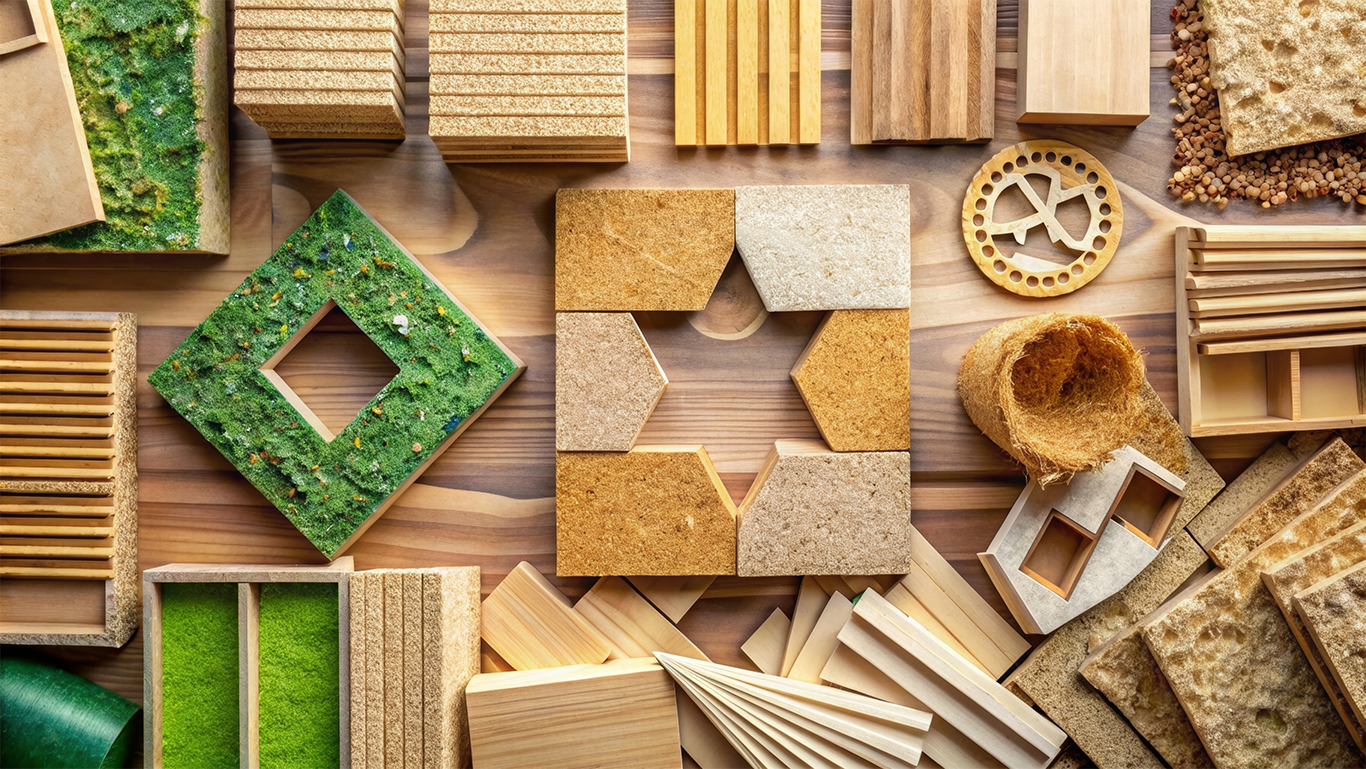
Start your eco-friendly porch design by selecting responsibly sourced or recycled materials for flooring, railings, and furniture.
Skip the chemically treated wood and look for certified sustainable lumber like FSC-certified cedar or bamboo. Reclaimed wood is another fantastic option, giving new life to old materials with plenty of rustic charm.
Composite decking made from recycled plastics and sawdust is low-maintenance, durable, and long-lasting. It’s also less likely to splinter or warp over time, making it a safer choice for kids and pets.
For railing and trim, consider powder-coated metal, recycled aluminum, or sustainably harvested wood. All offer durability with minimal environmental impact.
Use Low-VOC or Natural Paints and Stains

If you’re painting or staining your porch, opt for low-VOC (volatile organic compound) or zero-VOC products.
Traditional paints and stains can release harmful toxins into the air, both during application and long after. These emissions contribute to indoor air pollution and negatively impact your health and the environment.
Eco-friendly paint brands like ECOS, Clare, and Benjamin Moore’s Natura line offer high-performance, low-toxicity alternatives in modern shades and finishes. For a more natural approach, consider milk paint or plant-based oils that bring out the wood’s grain without synthetic chemicals.
Incorporate Natural Elements
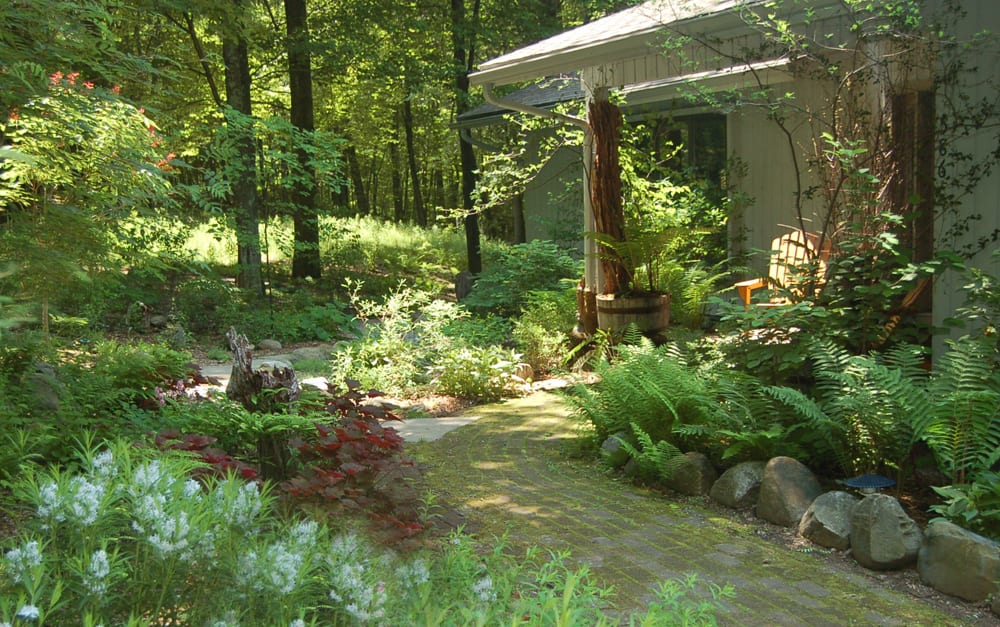
Lean into the beauty of nature by bringing natural textures and materials into your porch design.
Think stone planters, woven jute rugs, terracotta pots, and wicker or rattan furniture made from renewable sources. Not only do these materials have a lower carbon footprint, but they also help create a relaxed, grounded atmosphere.
Add some live-edge wood stools, a reclaimed log side table, or a simple bamboo bench to complete the look. Natural materials age beautifully over time and blend seamlessly into outdoor environments.
Go Solar with Your Porch Lighting

Solar lighting is one of the easiest and most affordable ways to make your porch more sustainable.
From solar string lights to lantern-style wall sconces and motion-sensor path lights, these options harness the sun’s power to light up your space after dark—no wiring or electricity bills required.
Solar lights charge during the day and automatically turn on at night, making them incredibly low-maintenance. Look for LED bulbs, which use significantly less energy than traditional bulbs and last much longer.
Bonus tip: Choose solar lights with replaceable batteries to extend their life and reduce waste.
Embrace Energy-Efficient Outdoor Fans

If your porch needs extra ventilation or a cooling breeze, go for Energy Star-rated ceiling fans.
These fans use up to 60% less energy than standard models and are designed to withstand outdoor conditions like humidity, rain, and dust.
Many modern ceiling fans come with built-in LED lights and remote controls, adding both functionality and efficiency to your porch setup. Pair them with timers or motion sensors to conserve energy when not in use.
Choose Eco-Friendly Outdoor Furniture
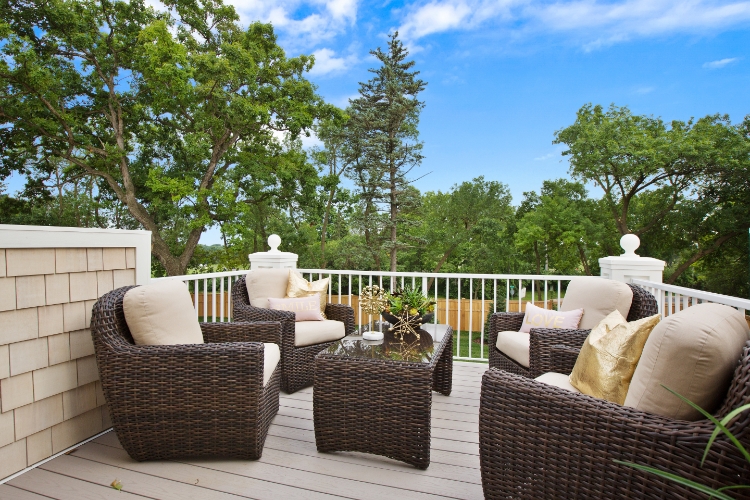
Invest in outdoor furniture made from recycled, upcycled, or responsibly sourced materials.
Brands like Polywood create durable outdoor seating using recycled milk jugs and plastics, turning waste into something both functional and stylish. Other great options include teak (if it’s FSC-certified), aluminum, and bamboo.
Skip single-use plastic or cheap particle board furniture, which won’t hold up against the elements and ends up in landfills. Instead, choose timeless pieces built to last—and if you really want to be green, scour local thrift shops or marketplaces for secondhand outdoor finds.
Use Native and Pollinator-Friendly Plants

Green your porch—literally—by decorating with native plants that support local wildlife and require minimal upkeep.
Native species are already adapted to your climate, meaning they’ll thrive with less water, fertilizer, and maintenance. Bonus: They attract birds, bees, and butterflies, making your porch a lively, vibrant place.
Mix planters of native flowers, grasses, and small shrubs with edibles like herbs or strawberries. Install a vertical garden on one wall or railing for maximum greenery in a small space.
Avoid invasive species and opt for pollinator-friendly options like lavender, salvia, echinacea, or milkweed, depending on your region.
Collect and Use Rainwater

If you’re watering porch plants or nearby garden beds, consider harvesting rainwater to keep things eco-friendly.
Install a small rain barrel near your gutter system to capture water runoff during storms. You can then use this free water source to keep your porch planters and greenery thriving.
Some barrels come with built-in filters or spouts for easy watering, and many states even offer rebates for installing them. It’s a small move that can save gallons of treated tap water each week.
Go Minimal to Reduce Waste
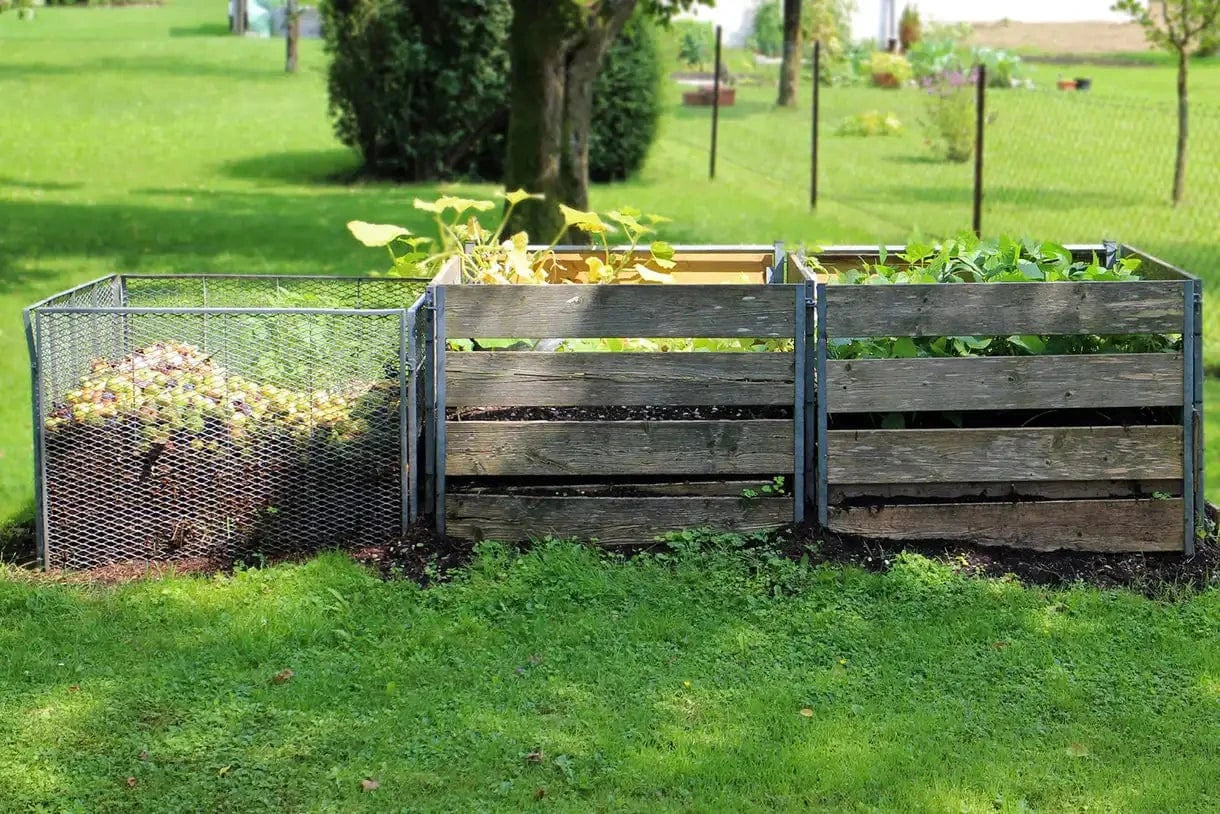
The less you use, the less waste you produce—so keep your porch décor intentional and minimalist.
Choose fewer, higher-quality pieces that serve multiple purposes. A bench with storage, a table that doubles as a planter stand, or stools that can act as extra seats or end tables all help reduce clutter and consumption.
This approach not only supports a sustainable mindset but also creates a more peaceful, relaxing porch environment—less visual noise, more natural serenity.
Add Shade with Natural Canopies or Recycled Fabrics

Instead of installing a plastic awning or synthetic umbrellas, consider natural or recycled shade solutions.
Use climbing vines like wisteria or jasmine to grow over a trellis or pergola for natural coverage and added greenery. Not only does it provide shade, but it also cools the air around it.
Alternatively, hang recycled sailcloth or fabric panels made from organic cotton or hemp. They provide shade, filter harsh light, and add a breezy, beachy feel to your outdoor space.
Bonus Tips for Maintaining a Green Porch Year-Round

- Compost porch plant waste like leaves, deadheaded flowers, and used soil.
- Use biodegradable cleaners for washing outdoor furniture or flooring.
- Choose natural pest control methods like citronella plants or essential oil sprays.
- Switch to rechargeable batteries for lights or devices instead of disposables.
- Recycle or donate old porch furniture and décor instead of tossing them.
Here’s a clean and organized table based on your Table of Contents for “How to Go Green: Sustainable Porch Ideas for a Modern and Eco-Friendly Look”:
| Section | Topic |
|---|---|
| 1 | Choose Sustainable Materials from the Ground Up |
| 2 | Use Low-VOC or Natural Paints and Stains |
| 3 | Incorporate Natural Elements |
| 4 | Go Solar with Your Porch Lighting |
| 5 | Embrace Energy-Efficient Outdoor Fans |
| 6 | Choose Eco-Friendly Outdoor Furniture |
| 7 | Use Native and Pollinator-Friendly Plants |
| 8 | Collect and Use Rainwater |
| 9 | Go Minimal to Reduce Waste |
| 10 | Add Shade with Natural Canopies or Recycled Fabrics |
| 11 | Bonus Tips for Maintaining a Green Porch Year-Round |
| 12 | FAQs: Sustainable Porch Design |
| 13 | Conclusion: Create a Porch That Reflects Your Eco-Conscious Lifestyle |
Let me know if you want this as a hyperlinked table for a blog or web format!
FAQs: Sustainable Porch Design
What’s the most eco-friendly material for a porch floor?
Reclaimed wood, bamboo, and composite decking made from recycled plastics are all top sustainable choices.
Can I really power all my porch lights with solar?
Yes—especially in sunny climates. Solar lights are now powerful enough for practical use and last longer than ever.
How do I make sure my outdoor furniture is sustainable?
Look for recycled content, FSC certification for wood, or choose brands with strong sustainability practices.
Are native plants always the best choice for porches?
Yes, they require less water and maintenance and are better for local ecosystems. Always check what’s native to your region.
Is it expensive to go green with my porch?
Not necessarily. Many eco-friendly options save money in the long run by reducing energy use and waste. You can also upcycle, reuse, or DIY many elements.
Conclusion: Create a Porch That Reflects Your Eco-Conscious Lifestyle
Designing a sustainable porch isn’t just about checking off green boxes—it’s about creating an outdoor space that feels good, looks great, and supports the world around you. With the right materials, a mindful design approach, and a few smart swaps, your porch can become an eco-friendly retreat you’ll love spending time in.
So go ahead—paint with low-VOC color, swap in solar lights, bring in native plants, and choose furniture that tells a sustainable story. With every choice, you’re not just improving your porch—you’re helping create a more conscious, beautiful world right outside your door.
Let me know if you’d like this turned into a blog format or paired with image ideas!
Leave a Reply